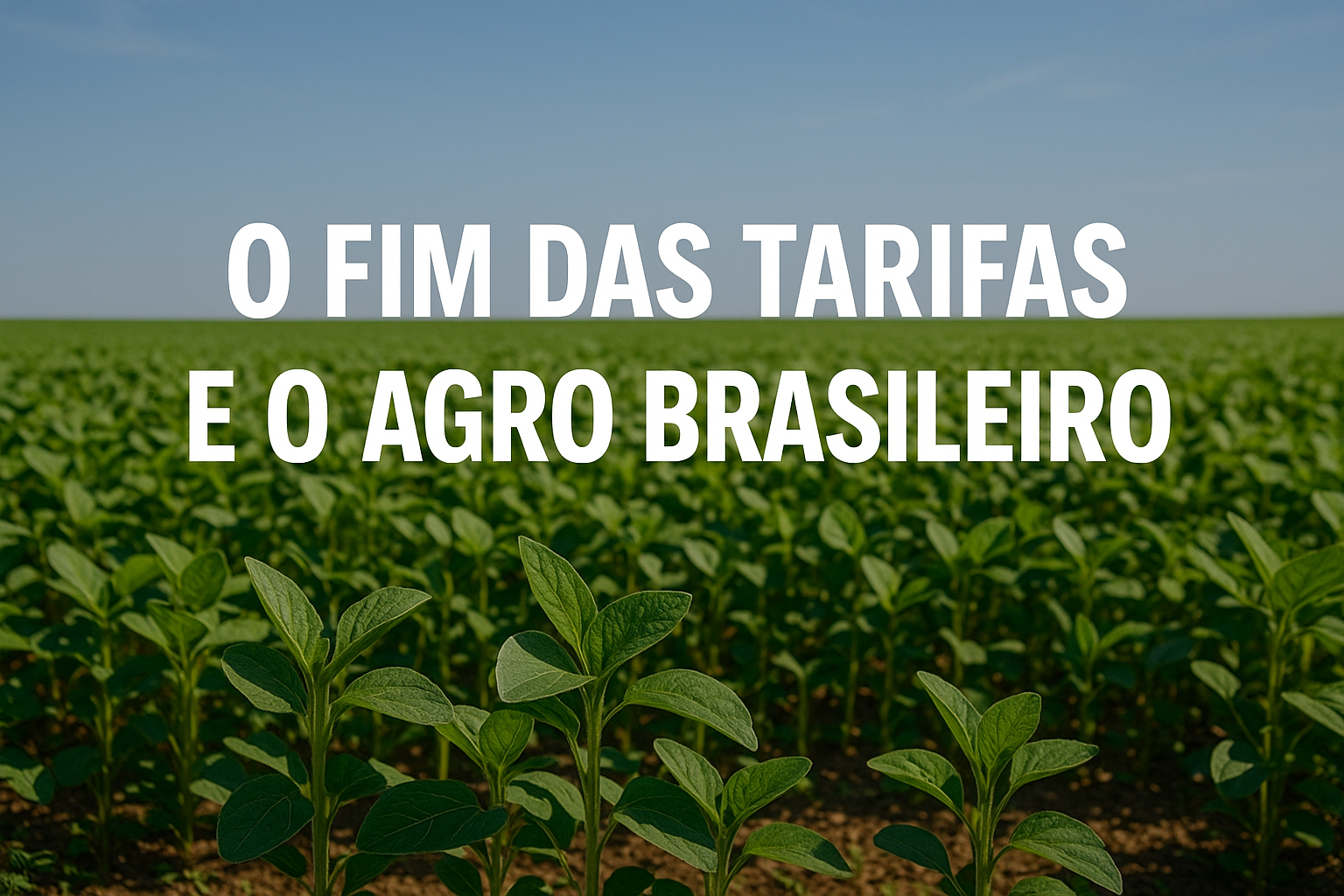
 Brasília – The removal of import tariffs on Brazilian agribusiness products in strategic markets is already generating significant positive impacts for the sector. The measure, resulting from new trade agreements and international tariff revisions, is expected to increase competitiveness, boost exports, and attract new investments.
With reduced or eliminated tariffs, commodities such as soybeans, corn, beef, poultry, sugar, and coffee now reach destinations in Asia, the Middle East, and the European Union at more competitive prices. Experts believe Brazil is set to gain market share over major competitors such as the United States, Argentina, and Australia.
According to sector analysts, a significant increase in export volumes is expected in the coming months, especially in the second half of the year. “The removal of tariffs directly reduces the final cost of Brazilian products abroad. This expands exporters’ margins and stimulates new contracts,” said a foreign trade consultant.
Direct Impact on Producers
In rural areas, the effects are already being felt. Cooperatives and trading companies are reporting a rise in new export contract inquiries, which should lead to higher demand, stronger prices, and more predictability for farmers. Small and medium-sized producers are also expected to benefit, especially in the grain and animal protein sectors.
Additionally, the end of tariffs strengthens Brazil’s image as a reliable and competitive food supplier, opening space for higher value-added products such as processed meats, refined vegetable oils, and corn derivatives.
Challenges Remain
Despite the positive outlook, experts warn that structural challenges remain. Logistics bottlenecks, transport costs, limited port infrastructure, and currency volatility still affect Brazil’s international competitiveness.
Another important factor is the growing demand for environmental and sustainability standards. Markets that removed tariffs are now imposing stricter certification, traceability, and proof of good environmental practices.
Outlook for 2025
Projections for 2025 are optimistic. Brazil’s Ministry of Agriculture estimates that agribusiness exports could grow between 8% and 12% next year, directly driven by the new tariff environment.
For the sector, the end of tariffs represents not only a financial gain but also a long-term strategic opportunity to consolidate Brazil as one of the world’s leading food trade players.
Brasília – The removal of import tariffs on Brazilian agribusiness products in strategic markets is already generating significant positive impacts for the sector. The measure, resulting from new trade agreements and international tariff revisions, is expected to increase competitiveness, boost exports, and attract new investments.
With reduced or eliminated tariffs, commodities such as soybeans, corn, beef, poultry, sugar, and coffee now reach destinations in Asia, the Middle East, and the European Union at more competitive prices. Experts believe Brazil is set to gain market share over major competitors such as the United States, Argentina, and Australia.
According to sector analysts, a significant increase in export volumes is expected in the coming months, especially in the second half of the year. “The removal of tariffs directly reduces the final cost of Brazilian products abroad. This expands exporters’ margins and stimulates new contracts,” said a foreign trade consultant.
Direct Impact on Producers
In rural areas, the effects are already being felt. Cooperatives and trading companies are reporting a rise in new export contract inquiries, which should lead to higher demand, stronger prices, and more predictability for farmers. Small and medium-sized producers are also expected to benefit, especially in the grain and animal protein sectors.
Additionally, the end of tariffs strengthens Brazil’s image as a reliable and competitive food supplier, opening space for higher value-added products such as processed meats, refined vegetable oils, and corn derivatives.
Challenges Remain
Despite the positive outlook, experts warn that structural challenges remain. Logistics bottlenecks, transport costs, limited port infrastructure, and currency volatility still affect Brazil’s international competitiveness.
Another important factor is the growing demand for environmental and sustainability standards. Markets that removed tariffs are now imposing stricter certification, traceability, and proof of good environmental practices.
Outlook for 2025
Projections for 2025 are optimistic. Brazil’s Ministry of Agriculture estimates that agribusiness exports could grow between 8% and 12% next year, directly driven by the new tariff environment.
For the sector, the end of tariffs represents not only a financial gain but also a long-term strategic opportunity to consolidate Brazil as one of the world’s leading food trade players.
Brasília – The removal of import tariffs on Brazilian agribusiness products in strategic markets is already generating significant positive impacts for the sector. The measure, resulting from new trade agreements and international tariff revisions, is expected to increase competitiveness, boost exports, and attract new investments.
With reduced or eliminated tariffs, commodities such as soybeans, corn, beef, poultry, sugar, and coffee now reach destinations in Asia, the Middle East, and the European Union at more competitive prices. Experts believe Brazil is set to gain market share over major competitors such as the United States, Argentina, and Australia.
According to sector analysts, a significant increase in export volumes is expected in the coming months, especially in the second half of the year. “The removal of tariffs directly reduces the final cost of Brazilian products abroad. This expands exporters’ margins and stimulates new contracts,” said a foreign trade consultant.
Direct Impact on Producers
In rural areas, the effects are already being felt. Cooperatives and trading companies are reporting a rise in new export contract inquiries, which should lead to higher demand, stronger prices, and more predictability for farmers. Small and medium-sized producers are also expected to benefit, especially in the grain and animal protein sectors.
Additionally, the end of tariffs strengthens Brazil’s image as a reliable and competitive food supplier, opening space for higher value-added products such as processed meats, refined vegetable oils, and corn derivatives.
Challenges Remain
Despite the positive outlook, experts warn that structural challenges remain. Logistics bottlenecks, transport costs, limited port infrastructure, and currency volatility still affect Brazil’s international competitiveness.
Another important factor is the growing demand for environmental and sustainability standards. Markets that removed tariffs are now imposing stricter certification, traceability, and proof of good environmental practices.
Outlook for 2025
Projections for 2025 are optimistic. Brazil’s Ministry of Agriculture estimates that agribusiness exports could grow between 8% and 12% next year, directly driven by the new tariff environment.
For the sector, the end of tariffs represents not only a financial gain but also a long-term strategic opportunity to consolidate Brazil as one of the world’s leading food trade players.
Brasília – The removal of import tariffs on Brazilian agribusiness products in strategic markets is already generating significant positive impacts for the sector. The measure, resulting from new trade agreements and international tariff revisions, is expected to increase competitiveness, boost exports, and attract new investments.
With reduced or eliminated tariffs, commodities such as soybeans, corn, beef, poultry, sugar, and coffee now reach destinations in Asia, the Middle East, and the European Union at more competitive prices. Experts believe Brazil is set to gain market share over major competitors such as the United States, Argentina, and Australia.
According to sector analysts, a significant increase in export volumes is expected in the coming months, especially in the second half of the year. “The removal of tariffs directly reduces the final cost of Brazilian products abroad. This expands exporters’ margins and stimulates new contracts,” said a foreign trade consultant.
Direct Impact on Producers
In rural areas, the effects are already being felt. Cooperatives and trading companies are reporting a rise in new export contract inquiries, which should lead to higher demand, stronger prices, and more predictability for farmers. Small and medium-sized producers are also expected to benefit, especially in the grain and animal protein sectors.
Additionally, the end of tariffs strengthens Brazil’s image as a reliable and competitive food supplier, opening space for higher value-added products such as processed meats, refined vegetable oils, and corn derivatives.
Challenges Remain
Despite the positive outlook, experts warn that structural challenges remain. Logistics bottlenecks, transport costs, limited port infrastructure, and currency volatility still affect Brazil’s international competitiveness.
Another important factor is the growing demand for environmental and sustainability standards. Markets that removed tariffs are now imposing stricter certification, traceability, and proof of good environmental practices.
Outlook for 2025
Projections for 2025 are optimistic. Brazil’s Ministry of Agriculture estimates that agribusiness exports could grow between 8% and 12% next year, directly driven by the new tariff environment.
For the sector, the end of tariffs represents not only a financial gain but also a long-term strategic opportunity to consolidate Brazil as one of the world’s leading food trade players.